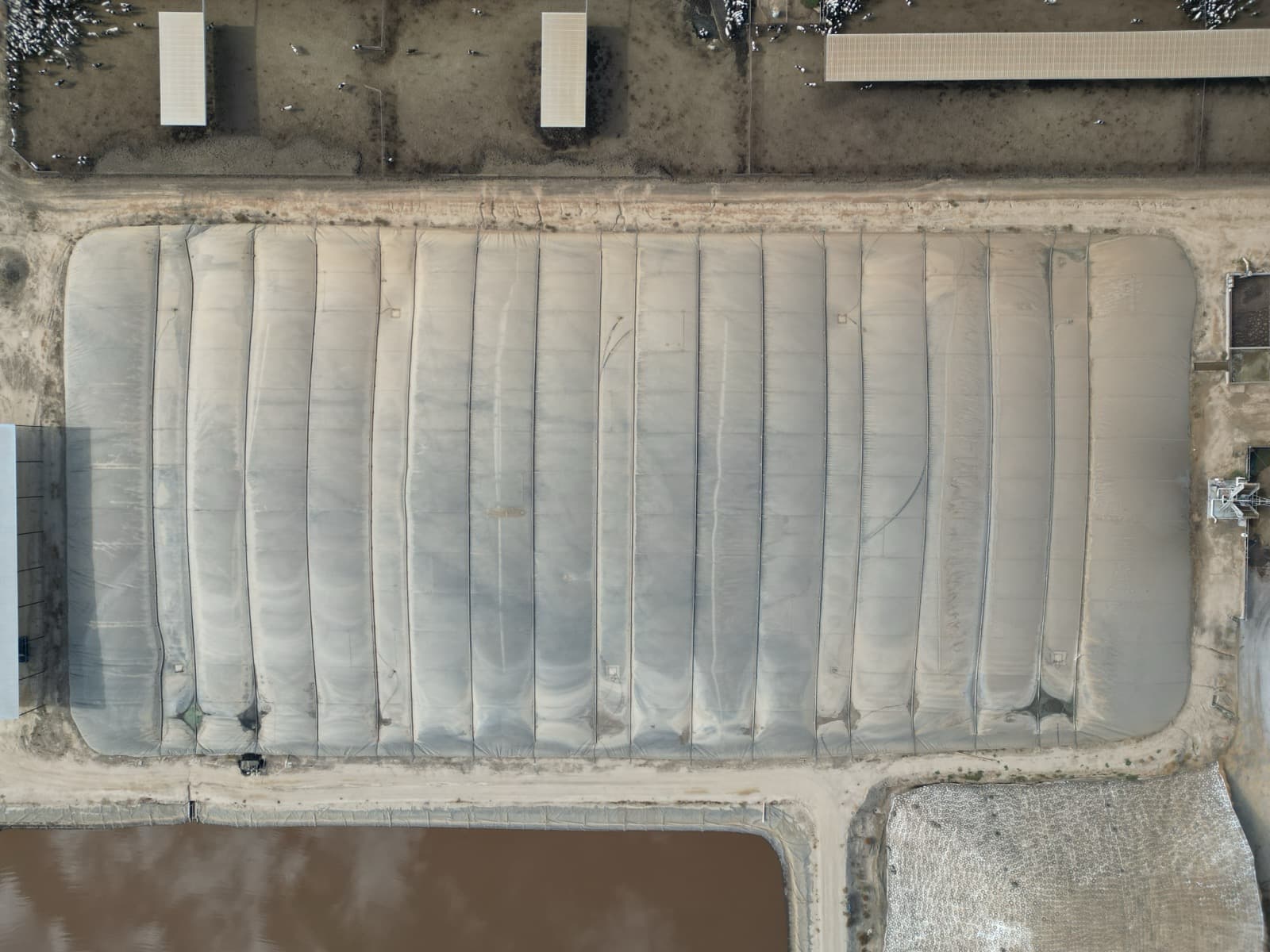
For most of its 32-year history, EFI's covered lagoon digester business was built on dairy and swine operations. Those sectors remain the core of the company's installed base, and dairy in particular continues to generate strong demand for new methane destruction systems. But a look at EFI's 2025-2026 project pipeline -- 152 proposals in 2025 and 57 proposals in the first quarter of 2026 alone -- reveals a market that is diversifying faster than most industry observers recognize.
The Pipeline in Numbers
EFI's estimating team processed 152 proposals in 2025 and has already logged 57 proposals through March 2026. These are not inquiries or leads -- they are formal proposals with engineering specifications, cost estimates, and project timelines. The volume reflects both the growing market for methane destruction and EFI's position as the default engineering partner for covered lagoon systems. When an operator, developer, or food processor needs a lagoon cover, gas collection system, or enclosed flare, EFI is typically the first call.
What makes the 2025-2026 data significant is not the volume -- it is the composition. While dairy projects still represent the single largest category, non-dairy projects now account for a substantial and growing share of the pipeline. Food processing, municipal wastewater treatment, industrial applications, and even mining containment projects are appearing with increasing frequency.
Dairy Remains Core
Dairy operations continue to drive significant demand, particularly in California, the Midwest, and the Northeast. Projects like Silveira, Correia, Edelweiss, and Faial represent the traditional EFI engagement: a dairy operator with an open lagoon needing a covered lagoon digester system for methane capture, whether driven by carbon credit economics, regulatory compliance, or odor control.
The dairy segment is also generating substantial repeat and expansion business. Existing EFI clients with operational systems are requesting cover replacements, gas collection system upgrades, and additional lagoon covers on secondary lagoons. This lifecycle revenue from the installed base is a structural advantage -- once EFI installs the first system on a dairy, the operator rarely goes to a competitor for subsequent work.
Food Processing: The Fastest-Growing Segment
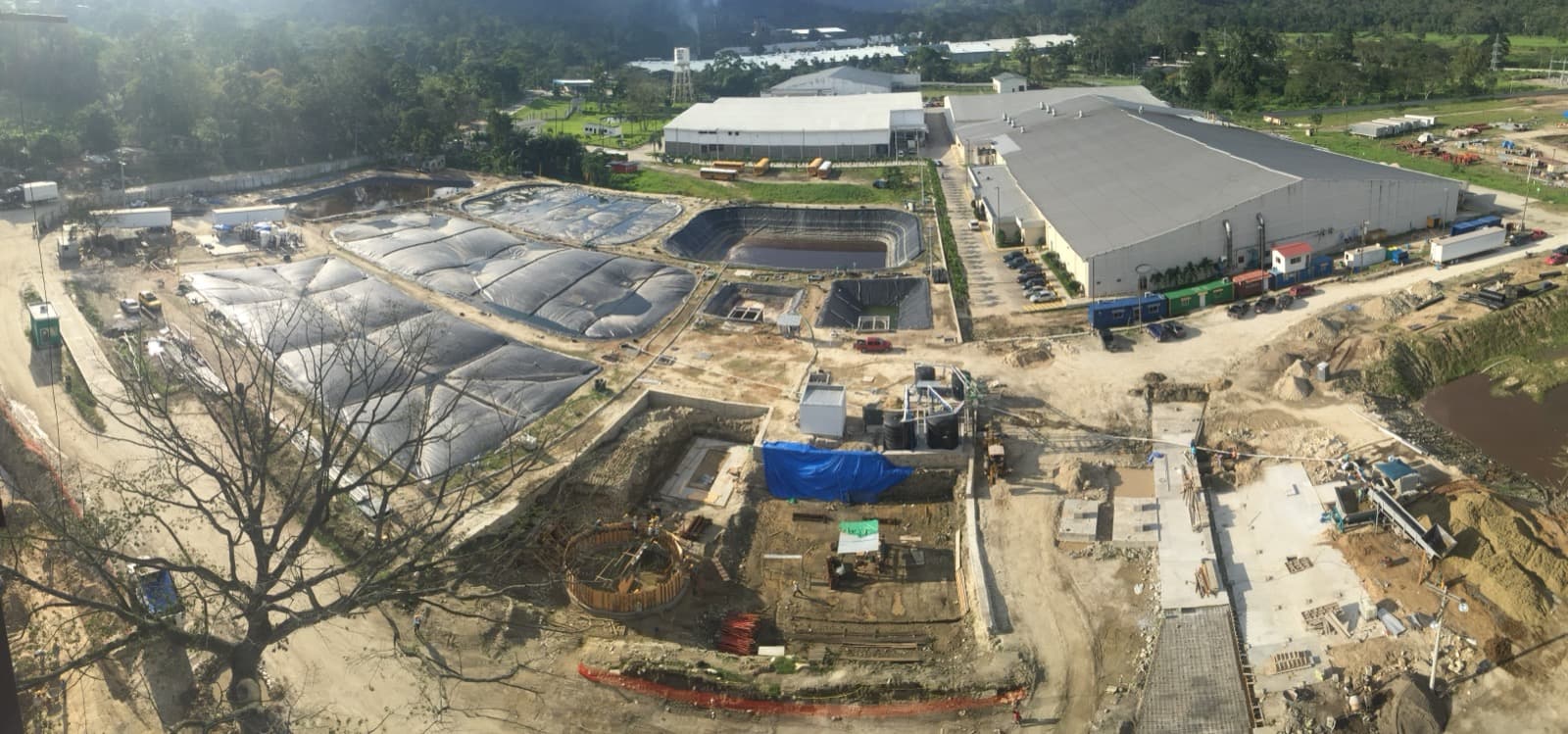
The most notable shift in EFI's pipeline is the growth of food processing projects. Major meat processors -- JBS, Tyson, Pilgrims, Darling, and Smithfield -- are deploying covered lagoon systems across their facility networks at an accelerating pace. The 2025-2026 pipeline includes projects at JBS Greeley, JBS Souderton, and JBS Cactus. Tyson projects span Storm Lake, Carthage, Holcomb, Logansport, and Blountsville. Pilgrims has active projects in Douglas, Sanford, Live Oak, and Staley. Darling has projects in Jackson, Dublin, and Sioux City.
The food processing trend is driven by a combination of regulatory pressure (NSPS OOOOb requirements for methane management), corporate sustainability commitments from publicly traded food companies, and the straightforward economics of covering wastewater lagoons that are already generating biogas. For a processor operating 15-30 facilities nationally, the per-facility cost of a covered lagoon system is modest relative to overall capital budgets, and the environmental compliance and sustainability reporting benefits extend across the entire corporate portfolio.
Municipal and Water Treatment Plant Expansion
Municipal wastewater treatment plants represent a growing segment that did not exist in EFI's pipeline five years ago. Projects in Rutherfordton, Death Valley, Arvin, Dorris, Perryville, and Greenbrier show that municipal operators are increasingly turning to covered lagoon technology for odor control, gas management, and regulatory compliance at aerated and facultative lagoon systems.
Municipal projects differ from agricultural applications in several important ways. The permitting process involves different regulatory agencies (state water boards rather than agricultural agencies). The waste stream characteristics are different (lower organic loading but higher volume). And the decision-making process typically involves public utilities or municipal governments rather than private operators. EFI's ability to navigate these different procurement and permitting environments reflects the breadth of the company's engineering and project management capabilities.
Industrial Applications: New Frontiers
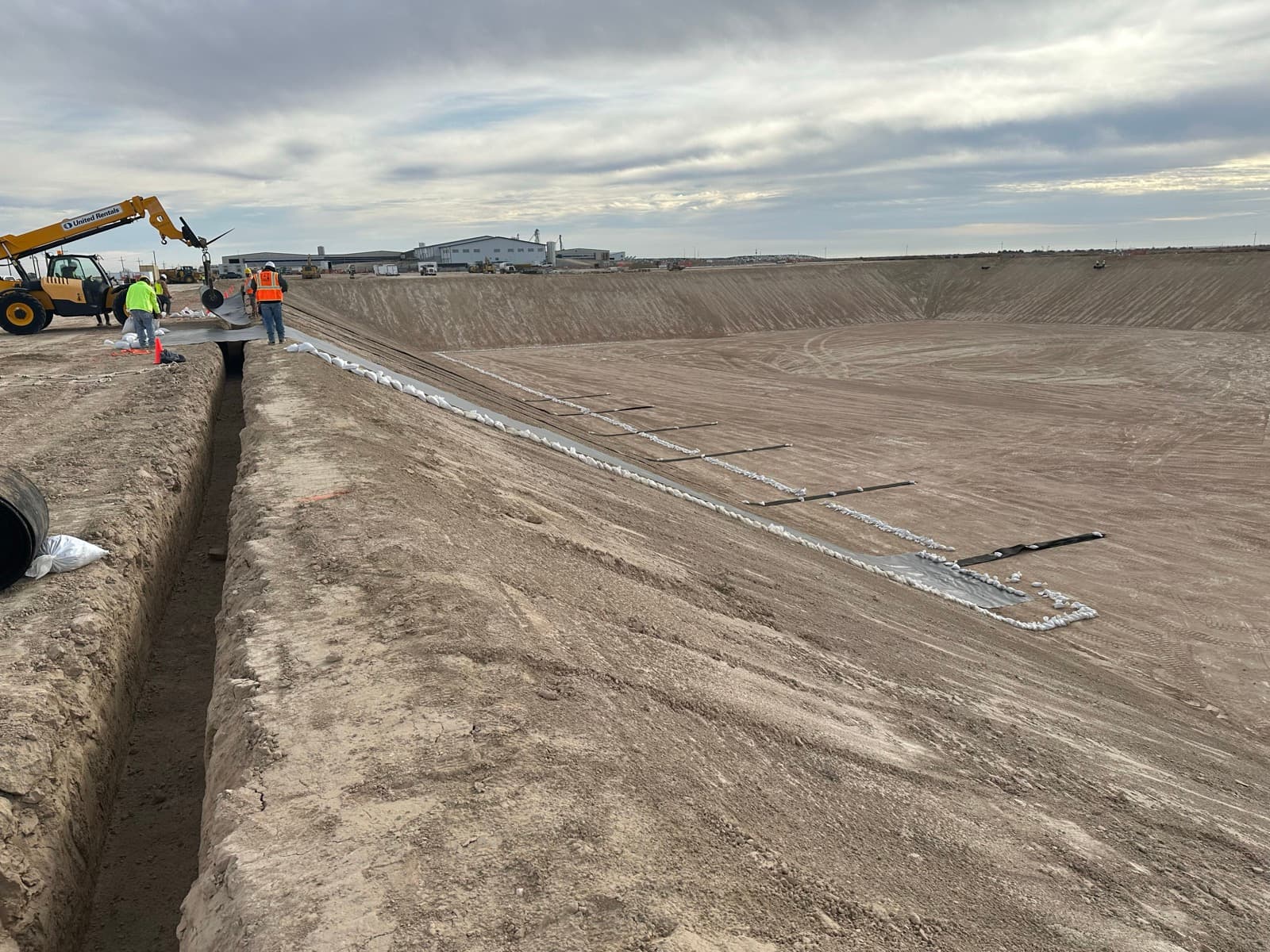
The most surprising entries in the 2025-2026 pipeline are industrial projects that have no connection to traditional biogas. Pacific Steel Group, Covation Biomaterials, and Ohio Pulp and Paper all appear in the proposal database -- operations that need geosynthetic containment solutions for reasons entirely unrelated to methane capture. These projects leverage EFI's core competency in liner installation and cover engineering without the biogas or carbon credit components.
The Sandfire Black Butte Copper Mine project represents an even further departure -- mining containment for a copper operation in Montana. While this is not a biogas project, it uses the same geosynthetic engineering and installation expertise that EFI applies to covered lagoon digesters. The company's ability to bid and execute mining containment work demonstrates the transferability of its core technical capabilities.
Baffle Curtain Systems: A Growing Niche
Baffle curtain installations have emerged as a distinct product category within EFI's pipeline. Projects at Old Parksville, Perryville, Ohio Pulp and Paper, Newton, Grand Coteau, and Saluda show steady demand for lagoon treatment optimization through hydraulic flow control. Baffle curtains increase effective hydraulic retention time by 40-60% without expanding lagoon footprint, making them a cost-effective upgrade for municipal and industrial lagoon systems that are underperforming.
Cap-and-Flare Projects: The Carbon Credit Pipeline
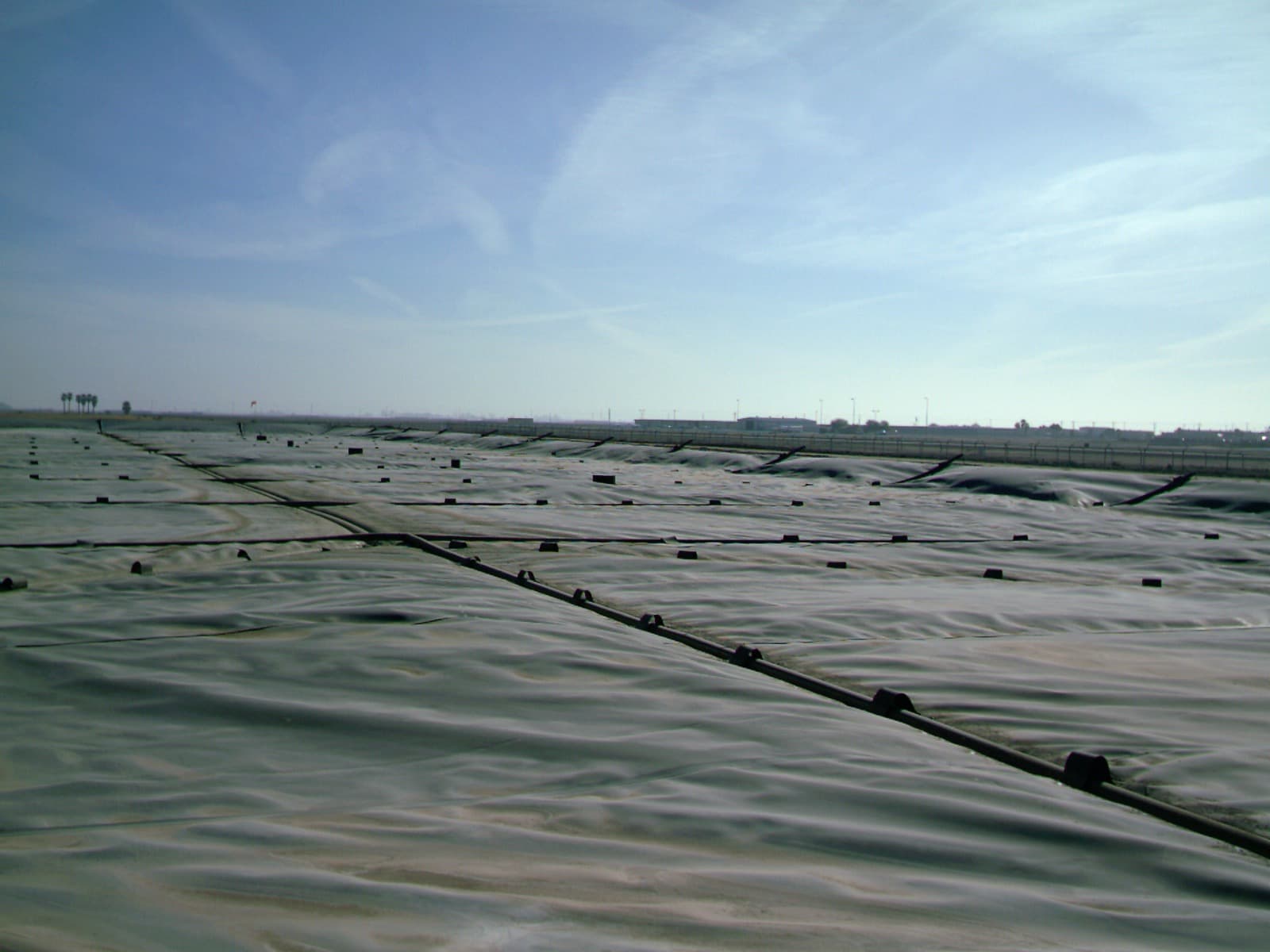
Within the broader pipeline, cap-and-flare projects -- covered lagoon digesters with enclosed flare systems designed specifically for carbon credit generation -- represent EFI's highest-margin business line. Projects like Sunnydene, James Road, and Cool Lawn are purpose-built methane destruction systems funded under EFI's zero-cost model. These projects generate revenue through verified carbon credits rather than construction fees, creating long-term annuity-style income streams for the company.
Geographic Distribution: Where Growth Is Happening
California continues to generate the most dairy-related proposals, driven by CARB compliance requirements and LCFS credit economics. The Southeast (North Carolina, South Carolina, Georgia) is strong for swine and poultry processor projects. The Midwest (Iowa, Nebraska, Minnesota) shows growth in both dairy and food processing. New York and the Northeast are generating proposals supported by NYSERDA incentives and state-level renewable energy programs.
The geographic diversification reduces EFI's exposure to any single state's regulatory or economic conditions. When California LCFS credit prices declined, dairy project economics in that state softened -- but food processing projects in the Midwest and municipal projects in the Southeast continued at pace. A diversified pipeline is a resilient pipeline.
“Five years ago, 80% of our proposals were dairy. Today it is closer to 50%, and the total volume is three times higher. The market for covered lagoon systems is bigger than anyone in dairy biogas imagined -- because it was never just a dairy technology.”
-- EFI USA