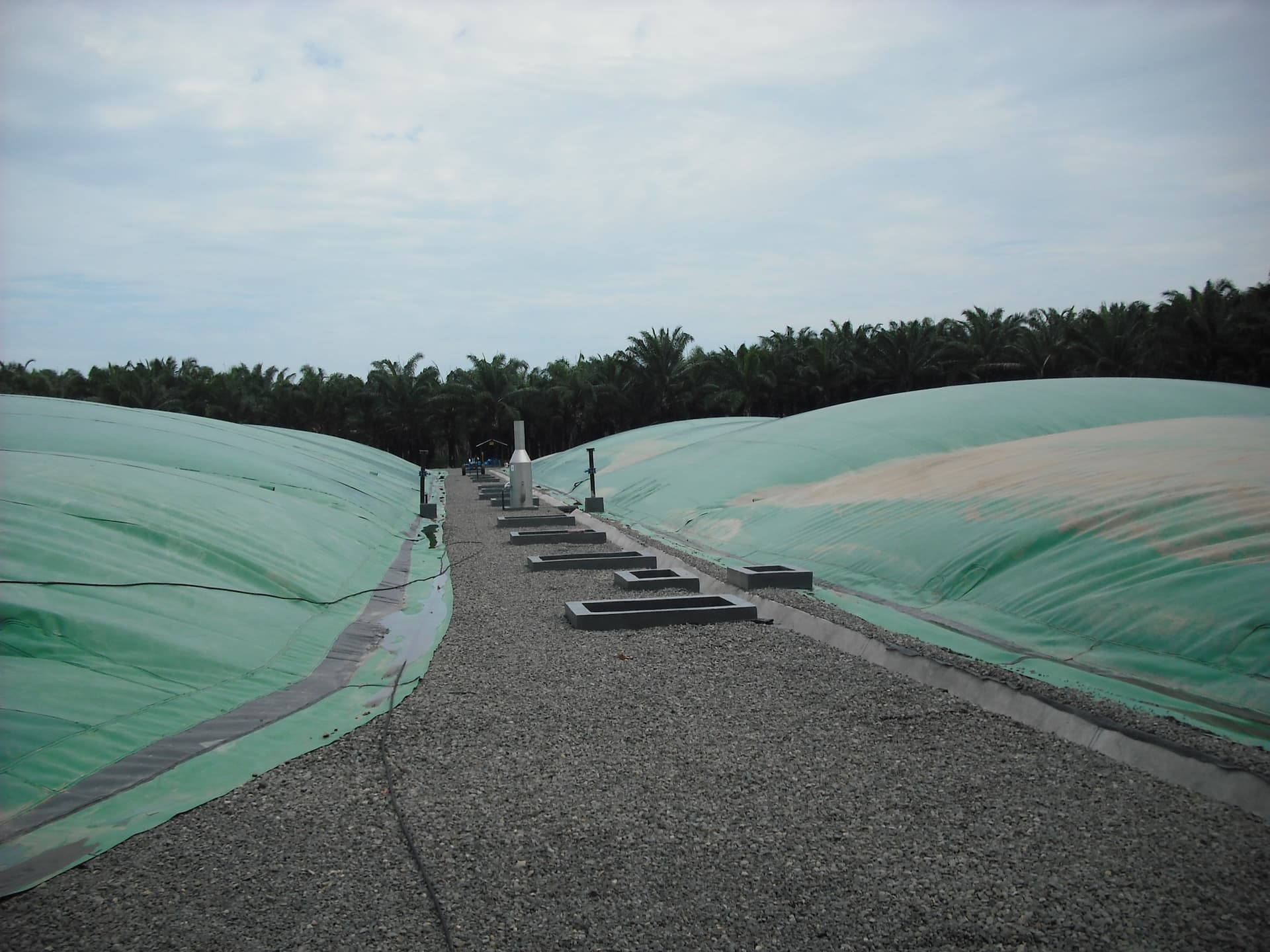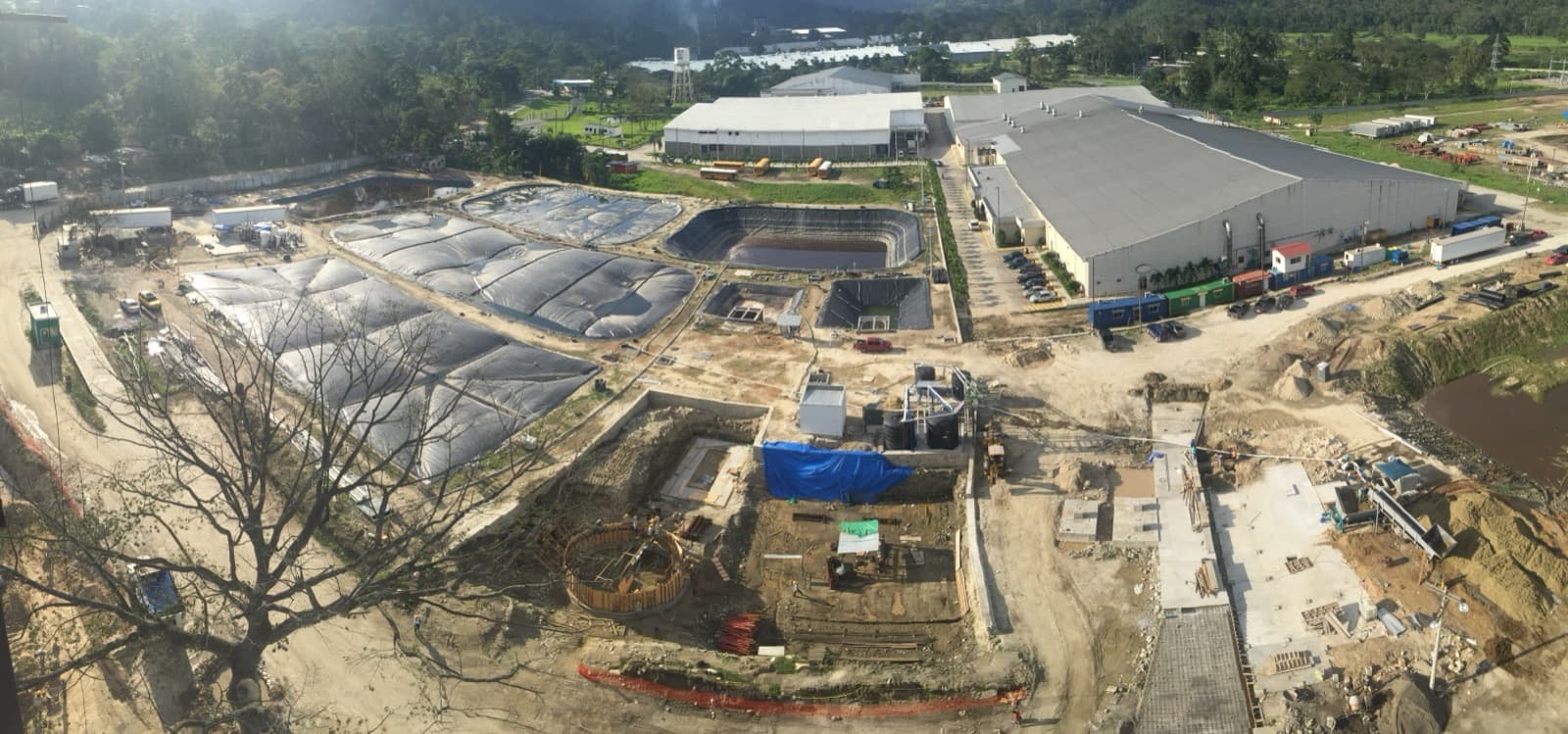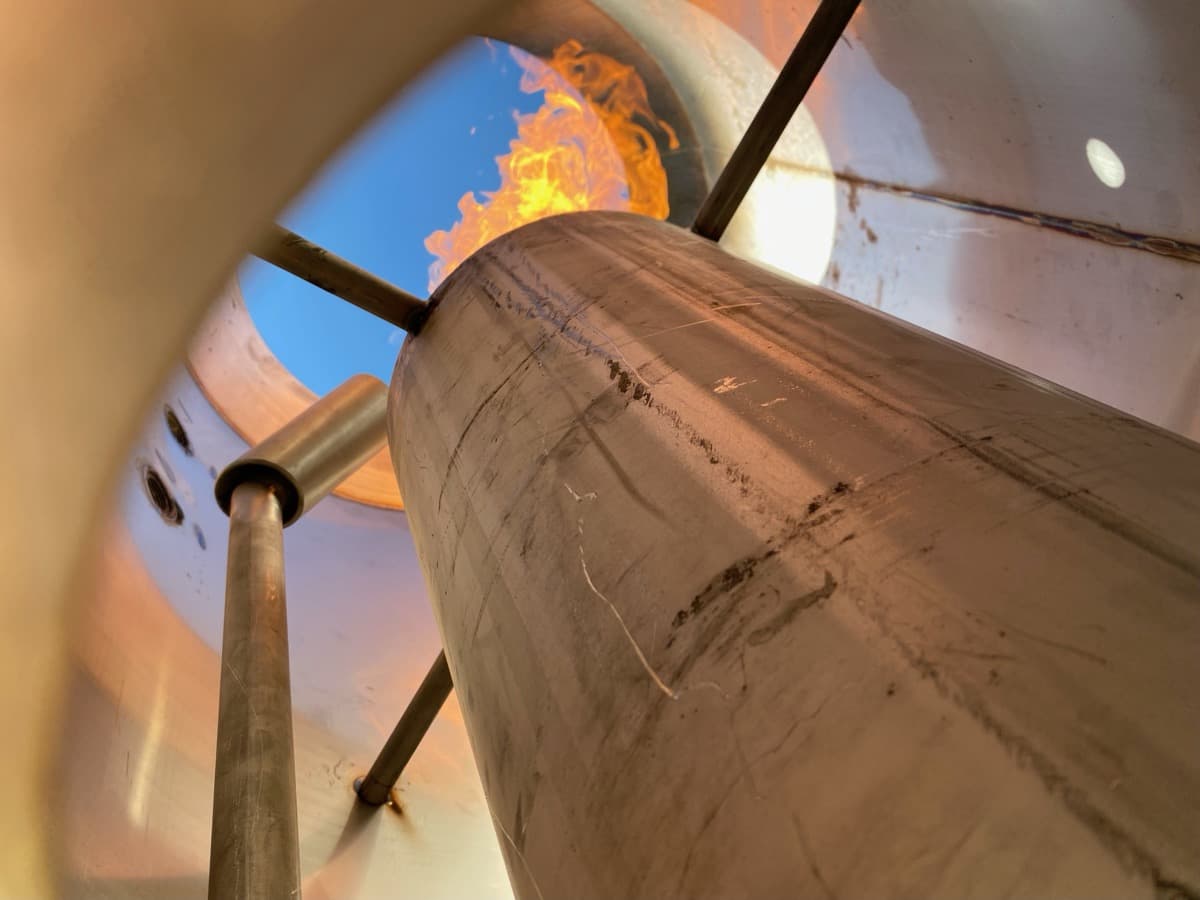
Perdue Farms Lewiston operates one of the largest poultry processing wastewater systems in the Southeast, and the project required more than a lagoon cover. The installed system combined a covered lagoon anaerobic digester, HDPE geomembrane cover, enclosed flare, cloud based monitoring, and O2 injection for H2S removal.
That combination matters because poultry wastewater is not a simple containment problem. Organic loading, odor control, gas collection, condensate management, sulfur control, and daily plant operations all affect whether the system performs in the field. A project can look correct on a drawing and still create trouble if those pieces are treated as separate scopes.
Poultry Wastewater Needs an Integrated System
Food processing lagoons can generate meaningful biogas when the wastewater contains enough organic strength and the lagoon has the right operating conditions. Poultry processing facilities often meet that test. The challenge is turning that biology into a controlled system that can be operated safely, documented clearly, and maintained without disrupting the plant.
At Lewiston, the lagoon was not addressed as a stand alone cover installation. EFI installed a complete gas capture and destruction system. The cover captured biogas from the wastewater lagoon. Gas collection infrastructure moved the biogas away from the lagoon. The enclosed flare destroyed methane at the designed flow rate. Monitoring equipment provided visibility into operating conditions. O2 injection addressed H2S before it could create corrosion and maintenance problems downstream.
The Cover Is Only the Beginning
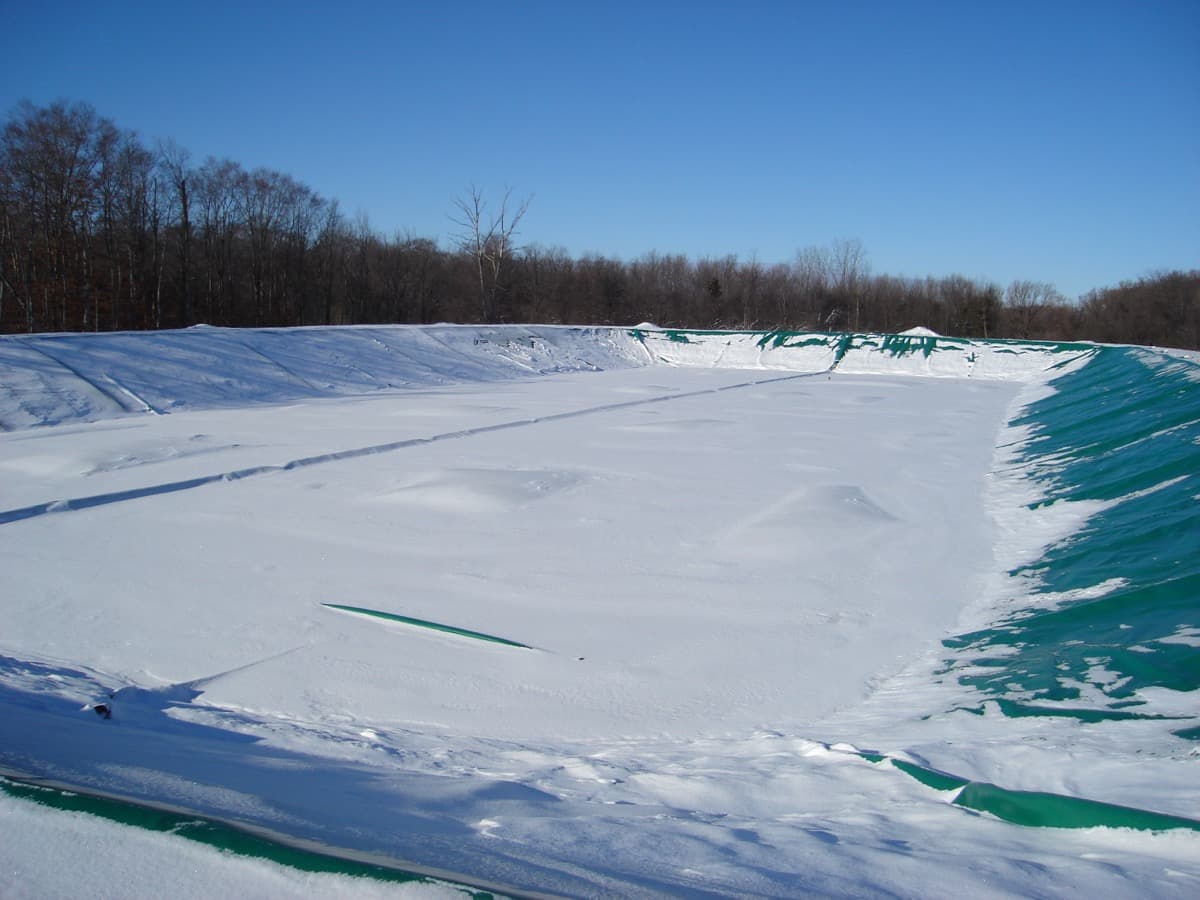
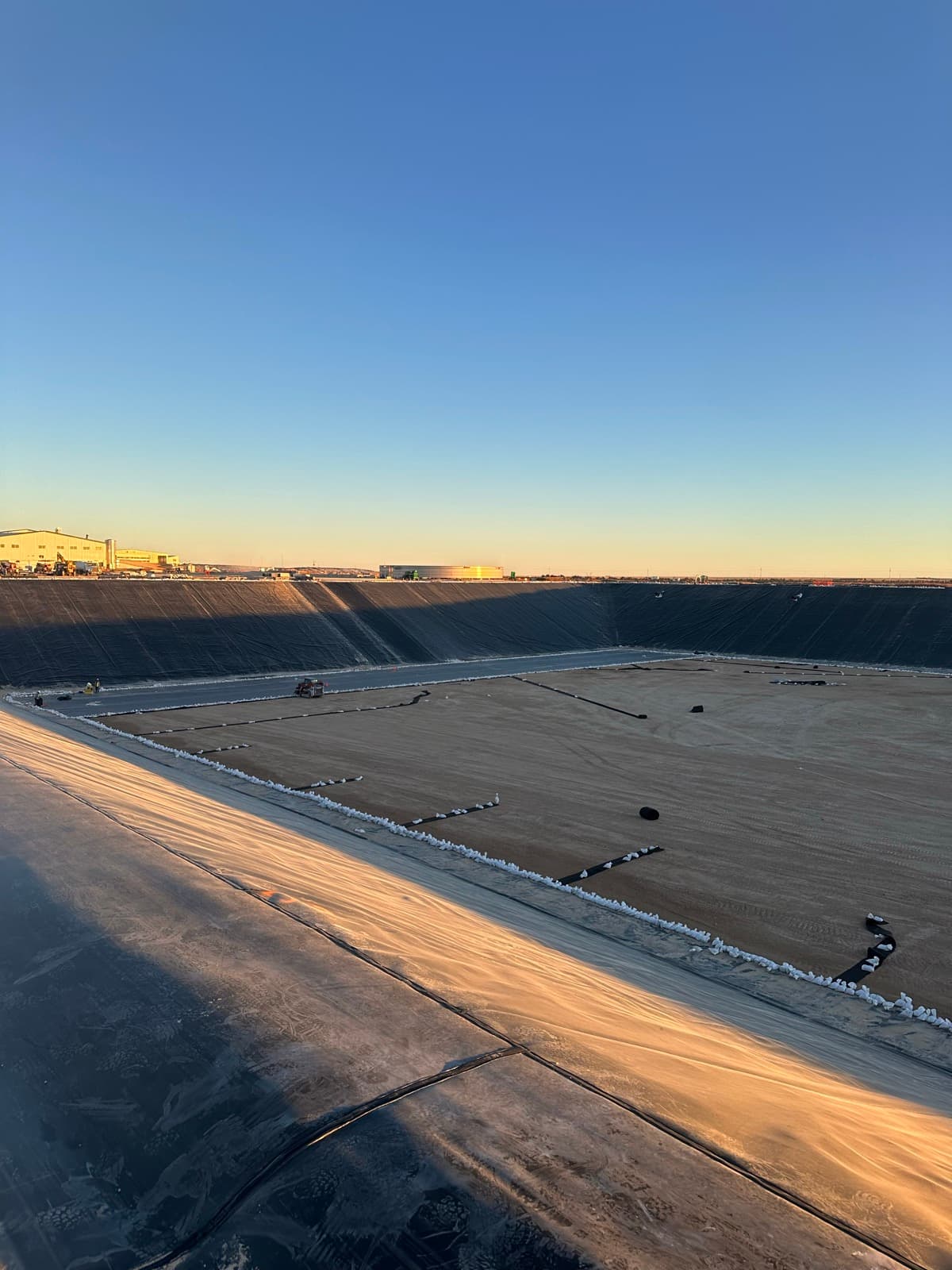
A covered lagoon system starts with the geomembrane, but the cover is only one part of the work. Material selection, panel layout, anchoring, ballast, penetrations, gas collection points, condensate handling, and maintenance access all have to fit the actual site. In poultry processing, that means designing around wastewater characteristics and plant operating patterns rather than assuming the lagoon behaves like a dairy or municipal basin.
EFI has worked in geosynthetics for more than 30 years and was founded in 1993. That field history matters on jobs like Lewiston because installation quality affects every later operating result. Cover tension, weld quality, pipe penetrations, and tie ins determine whether gas is captured reliably and whether the system remains serviceable after startup.
Gas Handling Drives the Operating Result
Once biogas is captured, the system has to move it, measure it, and destroy it safely. The Lewiston installation included an enclosed flare designed for high efficiency methane destruction. It also included cloud based monitoring with automated alerts, giving operators better visibility into performance instead of relying only on periodic field checks.
The project record shows a 95 percent reduction in greenhouse gas emissions, more than 120,000 tons of carbon dioxide equivalent avoided per year, and elimination of odor complaints from the surrounding community. Those results came from the full system, not from any single component. The cover, flare, monitoring, and gas conditioning all had to work together.
Why H2S Control Belongs in the Design
H2S is one of the practical reasons biogas systems need more than basic gas collection. If sulfur is left unmanaged, it can shorten the life of piping, valves, meters, flare equipment, and other downstream components. That creates maintenance cost, unplanned downtime, and safety concerns.
The Lewiston system included O2 injection for H2S removal. In practical terms, that means sulfur control was designed into the project instead of being added later as a reaction to equipment wear. EFI's O2 injection work is part of a broader capability set that includes biogas system design, flare installation, monitoring, and maintenance support.
What Owners Can Take From the Project
The most useful lesson from Lewiston is that poultry wastewater biogas projects should be scoped as construction systems, not just environmental equipment purchases. The civil work, liner and cover installation, gas train, sulfur management, controls, and documentation all affect the final result.
- Confirm the wastewater strength and lagoon operating conditions before selecting the system type.
- Treat the cover, gas collection, flare, monitoring, and H2S control as one coordinated scope.
- Design maintenance access into the system before installation begins.
- Use monitoring data to support operations, documentation, and service response.
- Avoid pricing decisions that separate installation quality from long term operating performance.
EFI's headquarters in Gaston, South Carolina support work across agricultural, food processing, industrial, and municipal sites. The company holds an estimated 82 percent share of the US covered lagoon market, but that position is built from practical field execution. Lewiston is a clear example. The project connected containment, biogas capture, flare operation, monitoring, and sulfur control in a single system that matched the operating needs of a large poultry processing facility.
For owners evaluating poultry or food processing wastewater lagoons, the implication is straightforward. A successful system is not defined by whether a lagoon can be covered. It is defined by whether the installed work captures gas reliably, controls odor, protects equipment, provides operating visibility, and fits the plant that has to live with it every day.