A covered lagoon digester is a living system. Biogas production fluctuates with temperature, feeding rates, and microbial health. Cover pressure changes with gas production, ambient temperature swings, and flare or utilization equipment operation. A system that looked fine at yesterday's site visit can develop a dangerous pressure condition or a flare malfunction overnight. When you operate more than 500 systems across dozens of states -- as EFI does -- remote monitoring isn't a nice-to-have. It's the only way to maintain safe, compliant, and productive operations at scale.
Core Sensor Infrastructure
- Gas flow meters: Thermal mass flow meters measure biogas production in real time, typically in standard cubic feet per minute (SCFM). Continuous flow data reveals production trends, seasonal patterns, and early indicators of digester health issues. A sudden drop in gas flow often signals a feeding problem, temperature shock, or pH excursion before other symptoms appear.
- Pressure sensors: Differential pressure transmitters monitor the gas space between the lagoon surface and the floating cover. Maintaining proper pressure (typically 0.5-2.0 inches of water column) is critical for cover integrity and safety. Over-pressure can damage the cover or create explosive hazard; under-pressure can draw air into the gas space.
- Temperature monitoring: Thermocouples or RTDs measure lagoon liquid temperature at multiple depths and biogas temperature at the flare inlet. Liquid temperature directly affects methanogenic activity -- every degree below optimal (95-100F for mesophilic operation) reduces gas production. Gas temperature is important for dew point management and flare performance.
- H2S sensors: Hydrogen sulfide concentration in the biogas affects equipment life, environmental compliance, and safety. Electrochemical H2S sensors at the flare inlet and at key ambient air monitoring points provide continuous readings.
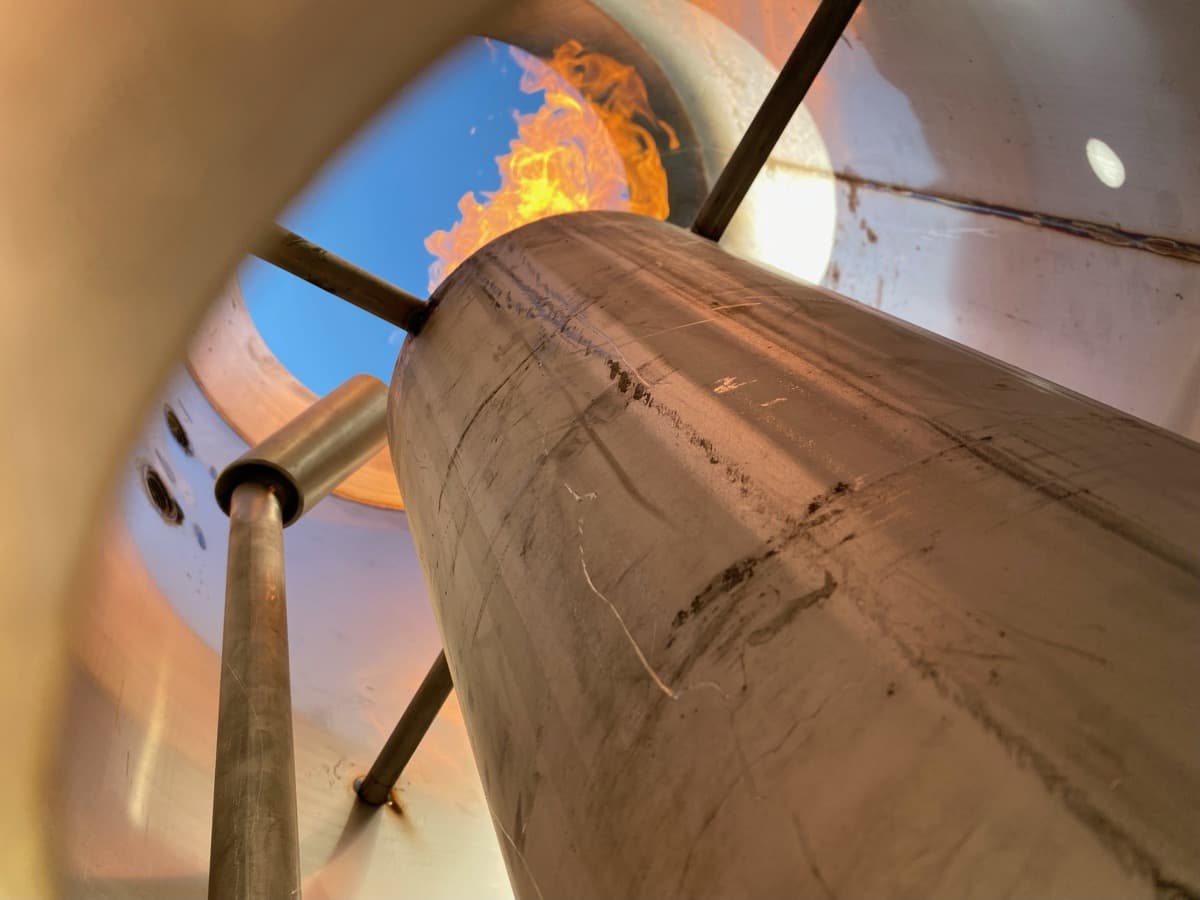
- Flare monitoring: Thermocouple arrays and UV/IR flame detectors confirm that the flare is operating and achieving adequate destruction temperature (typically 1,400F+ for methane destruction efficiency above 98%).
SCADA Integration and Data Architecture
Field sensors connect to local programmable logic controllers (PLCs) or remote terminal units (RTUs) that aggregate data, execute local control logic, and transmit to EFI's central SCADA system. Communication typically uses cellular modems (4G LTE with 5G migration underway) for sites without reliable internet, or hardwired ethernet where available. Data polling intervals range from 1-second for safety-critical parameters (pressure, flame detection) to 15-minute averages for trend data (temperature, gas flow). The SCADA system maintains a historian database with a minimum of 3 years of high-resolution data for every monitored parameter on every system.
Cloud Dashboards and Alerting
Raw SCADA data feeds into cloud-based dashboards that provide both real-time operational views and historical trend analysis. Operations staff monitor fleet-wide status on summary screens that highlight systems requiring attention using color-coded status indicators. Drill-down views show individual system detail with full parameter history. Automated alerting routes alarm conditions to on-call personnel via SMS and email, with escalation chains that ensure no critical alarm goes unacknowledged. Alert thresholds are configurable per system to account for site-specific operating ranges.
Predictive Analytics and Maintenance Optimization
With years of operational data across hundreds of systems, pattern recognition becomes a powerful tool. Gradual declines in gas production rate relative to feeding inputs can indicate biological inhibition weeks before a system actually fails. Increasing pressure differential across a condensate trap signals the need for maintenance before it causes a flare outage. Seasonal gas production models, calibrated with site-specific data, allow operations teams to anticipate capacity needs and schedule maintenance during natural low-production periods rather than responding to emergencies.
Field-Hardened for Agricultural Environments
Monitoring equipment on dairy farms, swine operations, and food processing facilities faces a uniquely hostile environment: corrosive gases, extreme temperatures, dust, moisture, livestock interference, and remote locations with unreliable power. EFI specifies NEMA 4X enclosures, intrinsically safe sensors in gas zones, lightning protection on all antenna systems, and battery-backed communication equipment. Sensor calibration and maintenance is integrated into regular site visit schedules, and spare sensor inventory is maintained regionally to minimize downtime when replacements are needed.
Remote monitoring is what allows EFI to operate the largest fleet of covered lagoon digester systems in the United States with a lean operations team. It transforms reactive maintenance into proactive management, gives project stakeholders transparent performance data, and provides the documentation necessary for carbon credit verification and regulatory compliance.