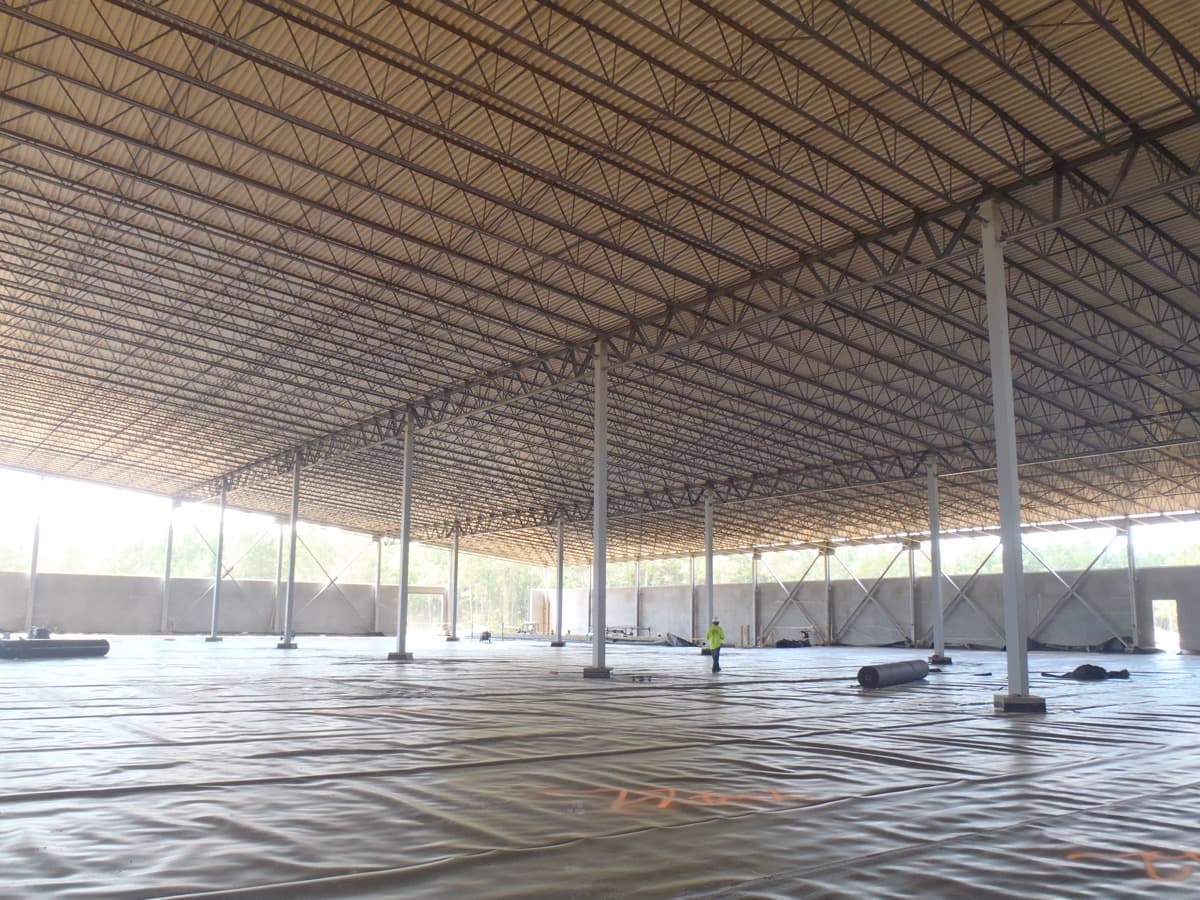
EFI USA secondary containment liner installation

Industrial & Regulatory Containment

Secondary Containment Liners

Chemical-resistant geomembrane containment for tank farms, chemical storage, and fueling facilities, built for SPCC compliance.

30+
Years Experience
10M+
Sq Ft Installed
100%
QA Documented
45
States Served

Why Geomembrane

Containment That Passes Inspection

When a tank fails, the secondary containment is the last barrier before a reportable release. A welded geomembrane liner gives you a documented, impervious barrier sized to your largest tank. Explore EFI's full geosynthetic liner systems.

SPCC Compliant

An impervious barrier sized to hold the largest container plus freeboard, documented to satisfy 40 CFR 112 and the AHJ.

Chemical Resistant

Membrane matched to your stored chemicals, from inorganic acids and bases to fuels, with specialty material for aggressive solvents.

Welded, Not Glued

Heat-welded seams and sealed penetrations create one continuous barrier with no adhesives to fail over time.

Fast, Phased Install

Installed around active operations and tied into existing tanks, columns, and structures with minimal downtime.

Applications

Containment We Build

Tank Farm Containment

Lined berms and dikes around bulk storage tank farms sized to the largest tank plus precipitation freeboard.

Chemical Storage Containment

Chemical-resistant liner systems beneath and around chemical storage, matched to the products on site.

Fuel & Fueling Facilities

Containment for fuel storage, loading racks, and fueling areas where hydrocarbon resistance is essential.

Industrial Spill Containment

Process areas, transformer pads, and equipment yards where leaks and spills must be captured and contained.

Stormwater & Process Containment

Lined basins that separate contact stormwater and process water from clean discharge.

Landfill & Waste Containment

Base liners, leachate containment, and cap systems for landfill and waste-management facilities.

Chemical Compatibility

Matching the Liner to Your Chemicals

General compatibility at ambient temperature. Full data and ASTM references are on the HDPE specifications page.

Stored SubstanceHDPE ResistanceRecommended
Inorganic acids (sulfuric, hydrochloric)ExcellentHDPE
Bases and most saltsExcellentHDPE
Diesel, motor oil, fuelsGoodHDPE
GasolineFairHDPE / specialty
Aromatic & chlorinated solventsSpecialty membraneSpecialty geomembrane

Quality Assurance

Welded, Tested, and Documented

A containment liner has to perform on the worst day. Every EFI installation is welded, tested, and verified with a QA program that exceeds industry standards.
Destructive Seam Testing
Peel and shear testing every 150 linear feet of weld seam
Non-Destructive Testing
Air-channel pressure testing on every dual-track fusion weld
Sealed Penetrations
Welded boots and details at pipes, columns, and structures
Experienced Crews
Field crews installing liners across 45 states for 30+ years
Full QA Documentation
Complete quality package for the authority having jurisdiction
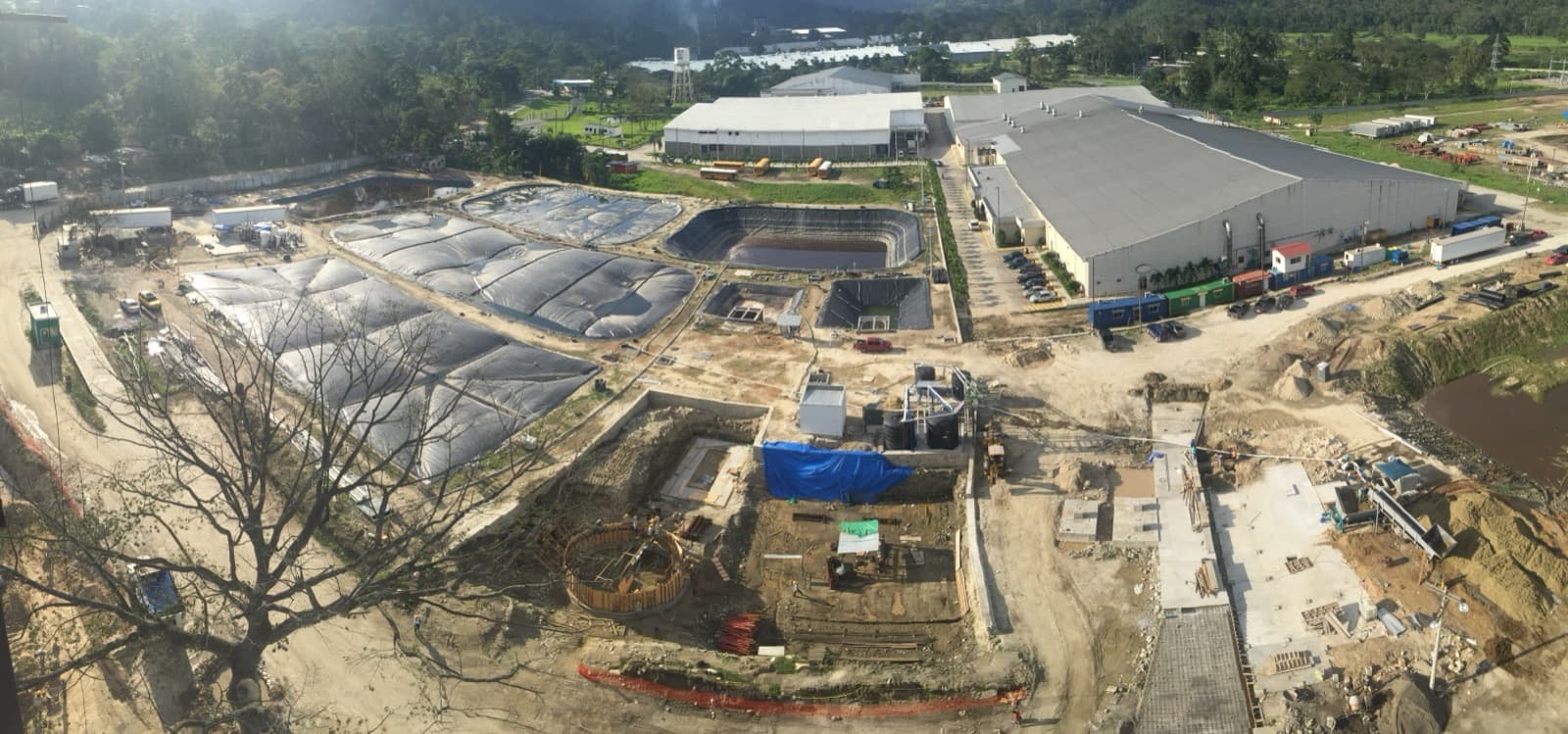
EFI geomembrane containment installation in progress

FAQ

Frequently Asked Questions

A secondary containment liner is an impermeable geomembrane barrier installed in the berms, dikes, and floor of a containment area around tanks and chemical storage. It captures leaks, drips, and spills before they reach soil or groundwater, providing the backup containment that the primary tank cannot. EFI installs chemically resistant HDPE and specialty geomembrane containment liners for fuel, chemical, and industrial facilities.

Under the EPA Spill Prevention, Control, and Countermeasure rule (40 CFR 112), facilities storing oil or hazardous liquids must provide secondary containment sized to hold the largest container plus freeboard for precipitation, using a sufficiently impervious barrier. A welded geomembrane liner provides that impervious barrier and is documented with quality-assurance testing. EFI installs to the containment volume and permeability your engineer specifies.

Secondary containment liners are typically 40 to 80 mil. HDPE suits most inorganic acids, bases, and salts and resists fuels and oils well. For aromatic hydrocarbons such as benzene, toluene, and xylene, or for chlorinated solvents, a specialty geomembrane is selected instead. EFI matches the liner to your stored chemicals, concentrations, and temperatures using manufacturer compatibility data.

HDPE has excellent resistance to inorganic acids, bases, and most salts, and good resistance to fuels and oils, but limited resistance to aromatic and chlorinated solvents. Before specifying material, EFI reviews your chemical inventory, concentrations, and operating temperatures against chemical-resistance charts so the membrane is matched to the actual service.

Yes. EFI phases installation around active operations and ties the liner into existing structures, tanks, columns, and penetrations with welded boots and sealed details. Every installation is delivered with full QA documentation for the authority having jurisdiction.

Installed containment liners typically run $0.50 to $3.00 per square foot depending on thickness, the chemical-resistance level required, site complexity, the number of penetrations, and quality-assurance requirements. EFI provides a detailed proposal after a free site assessment.

Trusted by industry leaders across agriculture, food processing, government, and renewable energy


JBS
Perdue Farms
Tyson Foods
Cargill
Sanderson Farms
Smithfield Foods
NASA
US EPA
USDA
Aemetis
SunMaid Growers
Sonoco
CalBio
HDR Engineering
National Beef
Bunge
JBS
Perdue Farms
Tyson Foods
Cargill
Sanderson Farms
Smithfield Foods
NASA
US EPA
USDA
Aemetis
SunMaid Growers
Sonoco
CalBio
HDR Engineering
National Beef
Bunge

Need SPCC Containment?

Get a free site assessment, chemical-compatibility review, and detailed proposal from our engineering team.

Or call us directly: (307) 264-0309

Get a Containment Quote