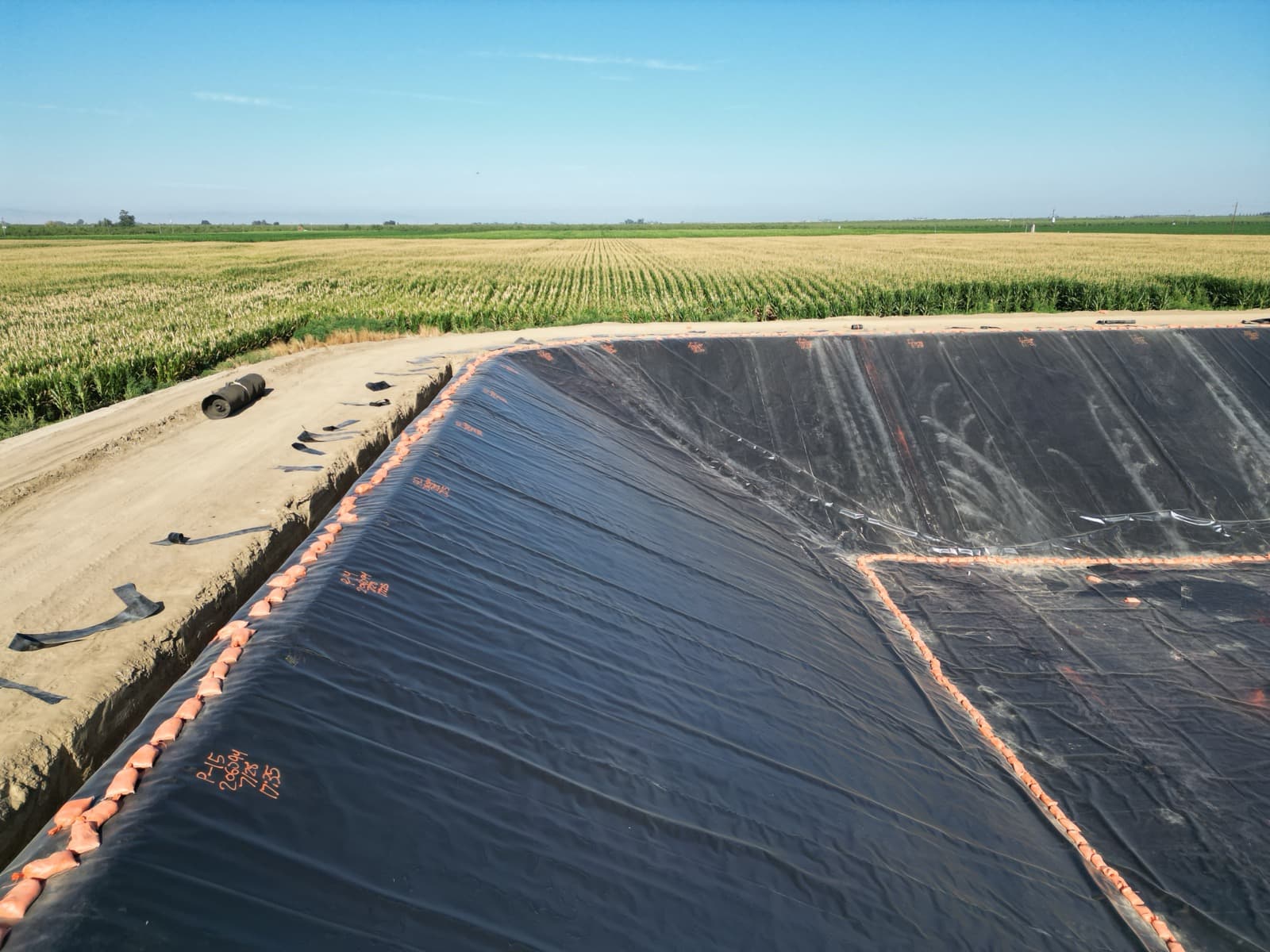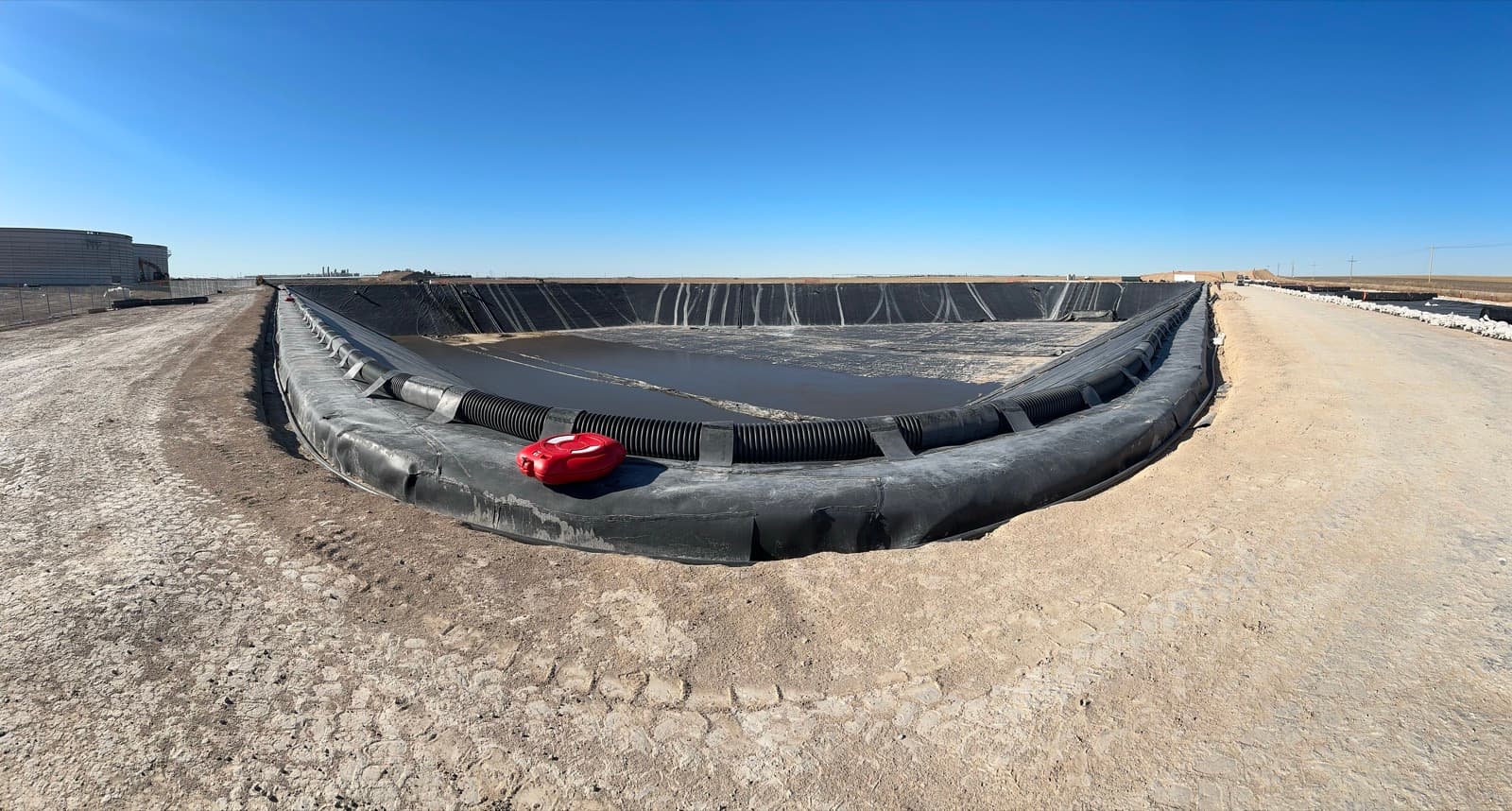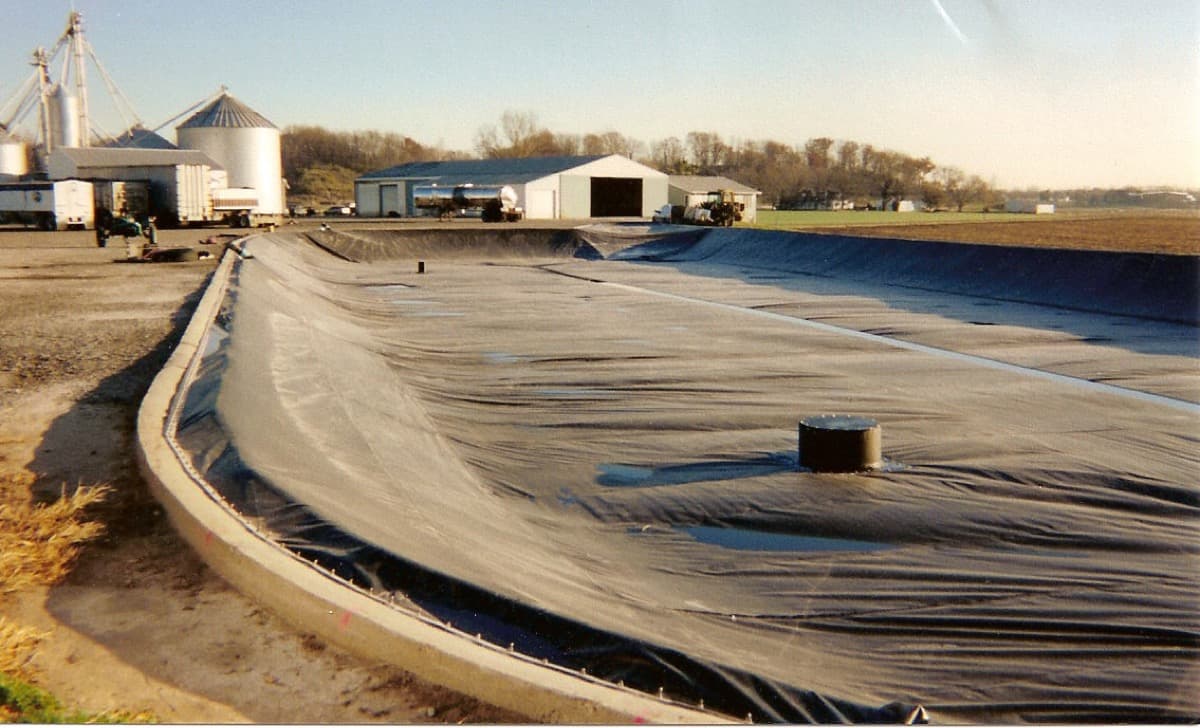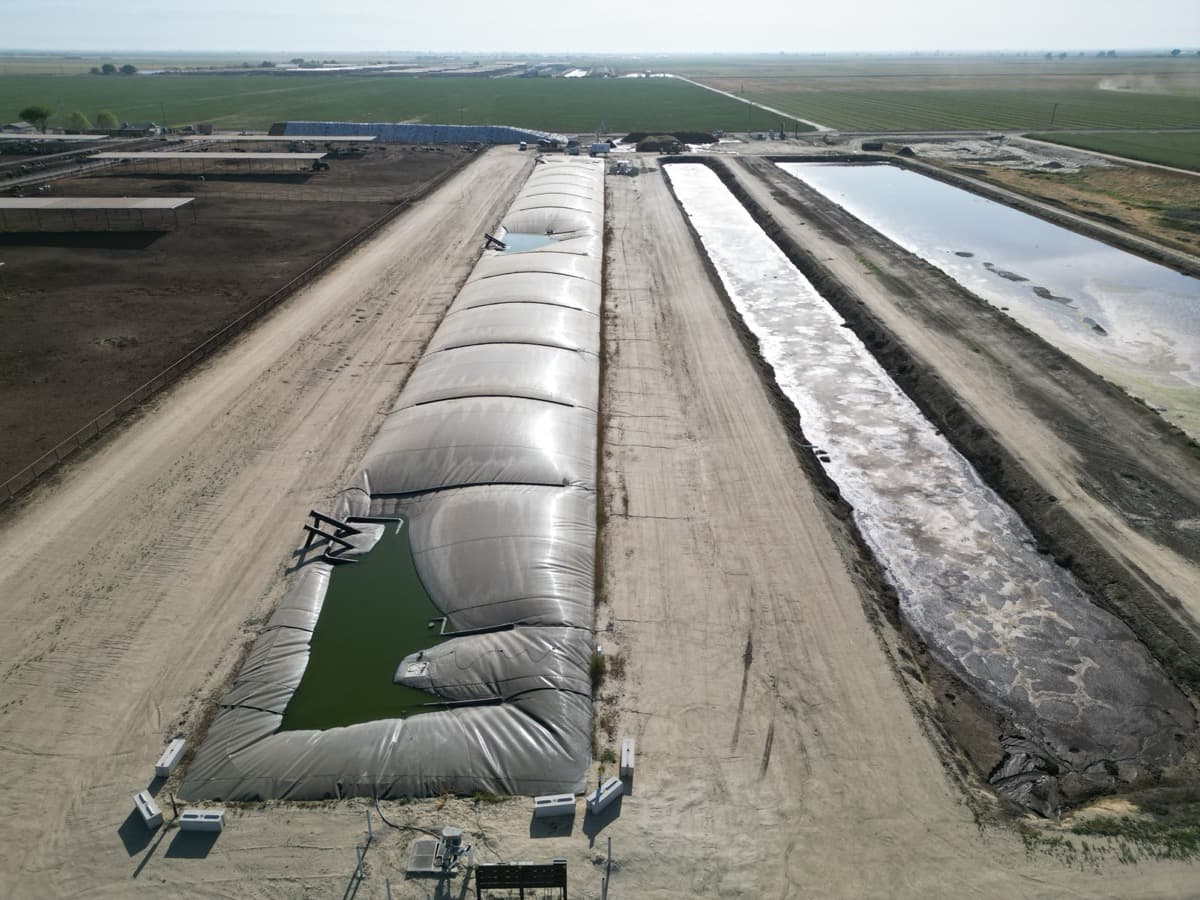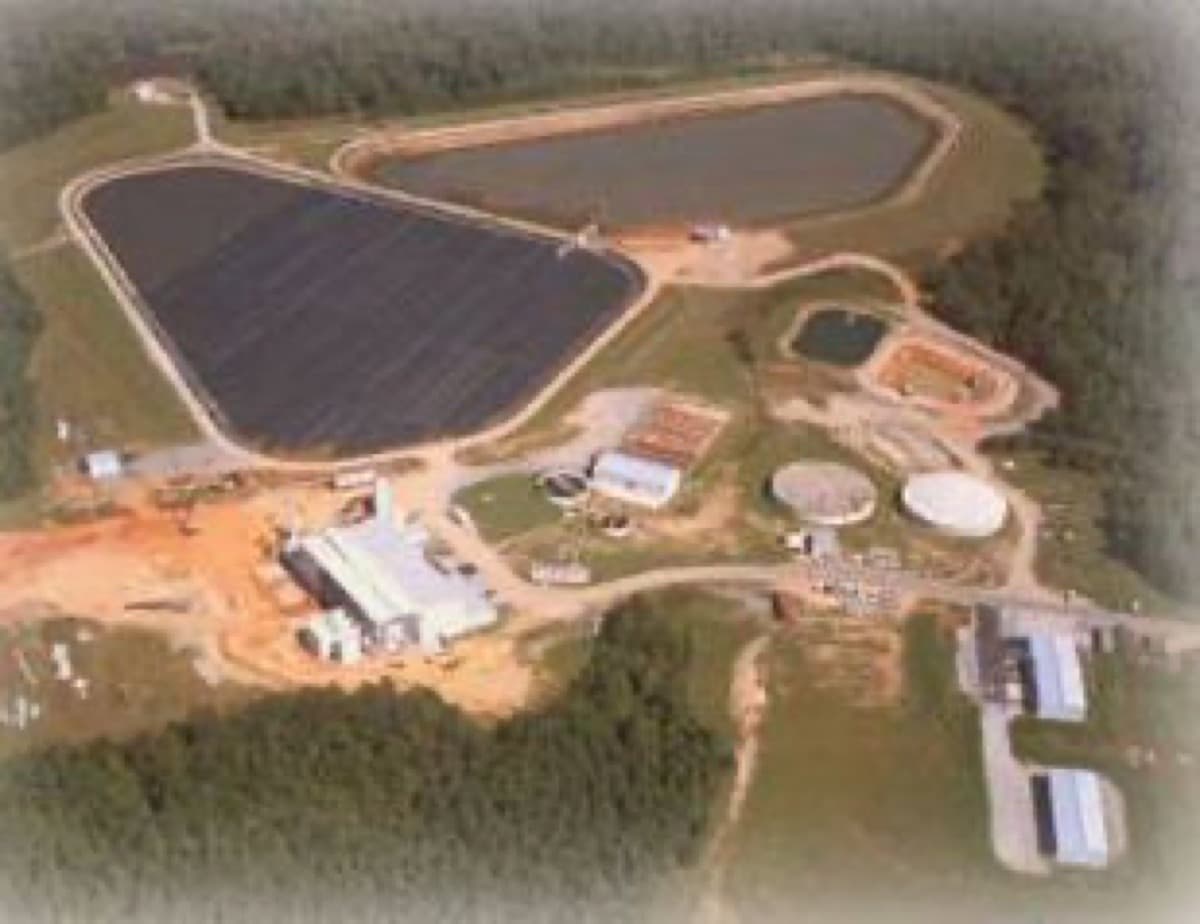
In February 2003, EFI began installing a permeable floating cover on the raw water reservoir serving Johnston County, North Carolina. By March the job was done: 307,661 square feet of 15 mm 3R Foam over roughly three-fourths of the basin, with a 420 foot by 14 foot floating baffle fixed to the uncovered side. The plant stayed in service the whole time.
The county had already tried copper sulfate and fish against seasonal algae blooms. The blooms kept coming, raising pH and turbidity and cutting filter run times. The cover went after the one input that treatment chemicals cannot remove from an open basin, which is sunlight.
Why algae costs a treatment plant filter time
Algae take up dissolved carbon dioxide as they photosynthesize, and the water's pH climbs through a sunny day. Coagulation is pH sensitive, so a plant drawing from a blooming reservoir ends up chasing its chemical feed rates.
The cells themselves are particles. They load filters faster, which means shorter runs and more backwash water. When a bloom dies off, the cells break down and can release taste and odor compounds into the water headed for the intake.
Copper sulfate kills the algae that are present, but it does nothing about the light and nutrients that grew them, so the next bloom needs another dose. Grazing fish work the same way. Both treat the population and leave the cause in place.
How a permeable cover works on open water
EFI's permeable cover is closed-cell polyethylene foam bonded to a polyester or polypropylene fabric, sewn into panels with UV resistant thread. Each panel floats on its own. Laid edge to edge, the panels block light at the surface without sealing it.
Rainwater drains down through the fabric, so there is no rainwater collection trench or pumping system to run. Gas escapes vertically through the cover, which removes the need for gas collection piping as well. The cover rides up and down with the water level, and the system is rated for wind gusts up to 90 mph.
A gas-tight geomembrane cover also blocks light, but it is built to capture biogas and has to manage every gallon of rain that lands on it. For a drinking water reservoir or a polishing pond where the goal is shading, the permeable system is the simpler one to build and maintain.
Choosing the panel
Panel thickness sets what the cover can carry. EFI's standard permeable panel is 20 mm or more of foam with a 40 mil minimum HDPE slope membrane and about 600 pounds of flotation per 100 square feet. At 50 mm and above, a standard panel is walkable by a harnessed, tethered worker wearing a flotation device, with an observer on the bank.
The 20 mm and algae control variants are built lighter: a 30 mil minimum slope membrane and about 200 pounds of flotation per 100 square feet. They are not rated for foot traffic. When shading is the only job and nobody needs to walk the field, the lighter panel does the work.
Johnston County's reservoir went with 15 mm foam. On a much smaller basin, a 58 by 75 foot cell at the Village of Laurelville, Ohio wastewater plant, EFI replaced an existing cover with a 50 mm OCS permeable system in October 2002 after recurring algae and aquatic growth.
Partial coverage and the baffle on the open edge
Johnston County's cover did not reach every shoreline. About a quarter of the reservoir stayed open, and EFI attached the floating baffle, 30 mil XR-5 fabric, to the cover's open edge. The cover was there to limit sunlight. The baffle was there to increase retention time in the basin.
That pairing sets up the design work. The engineer has to decide how much of the basin needs shade and how the open water and the baffle change the path water takes from inlet to intake. Covered area and flow path get worked out together.
Baffles also have to work across changing water levels. At the Staunton, Virginia water treatment plant in 2003, EFI installed three floating baffles, one 197 by 19 feet and two 179 by 19 feet, to increase contact time as reservoir levels moved, alongside a 46,760 square foot replacement floating cover.
Installing without taking the plant down
A raw water reservoir often has no backup source, so draining it for a cover is off the table. EFI fabricates permeable panels in a climate-controlled building, which leaves assembly and attachment as the only site work. Panels are assembled on shore and pulled into position on a basin that is still holding water.
That is how Johnston County's cover went on between February and March 2003, on schedule, with the plant operating. Because each panel can be moved or lifted out on its own, later maintenance does not mean pulling up the whole field.
What to document before asking for a cover
- Basin area, shape, and slope geometry, with the inlet, outlet, and intake locations marked.
- The full operating water level range. At low water the cover touches the slopes, and at Staunton a 13,056 square foot slope liner kept the cover off the existing gunite surface.
- What has already been tried against algae, such as copper sulfate dosing, aeration, or fish, and when blooms tend to start.
- Whether anyone will need to walk the cover, which decides between a lighter shading panel and a walkable one.
- Wind exposure across the site and any other goals on the same basin, such as odor control, evaporation reduction, or heat retention.
What the record shows
EFI's original Johnston County case history includes algae counts and pH charts from 2003. They describe that installation, and they are not a claim that algae were eliminated or that the reservoir's water quality is the same today. A cover changes how much light reaches the water. Nutrients still arrive with every inflow, which is why the shaded area and the baffle layout both matter.
EFI has fabricated and installed floating covers, floating baffles, and slope liners since its founding in 1993, working out of its Gaston, South Carolina headquarters with more than 30 years in geosynthetics. Johnston County, Laurelville, and Staunton show three different answers to the same question: how much of the basin to cover, with what, and what to do with the water left open. Send EFI your basin dimensions, operating levels, and algae history, and the cover layout can start from your site rather than a catalog.